
Team Resources
Robotics Resources
Here are a few suppliers we regularly use for purchasing robotics materials and components:
-
Thriftybots https://www.thethriftybot.com
McMaster-Carr https://www.mcmaster.com/
REV Robotics https://www.revrobotics.com/
AndyMark https://andymark.com/?srsltid=AfmBOooD0NJAb-hEvzRKHcFQipwhha1MfFFS2iZ4PXOUqnRGGUyY-LOu
Westcoast Products https://wcproducts.com/
Powerwerx https://powerwerx.com/?srsltid=AfmBOorJpPasHL1uhmA18vnmJhDogqOKc1UoPIXH5cX-UDKJFI37iTyC
Subteam Resources
Manufacturing
-
XYZ iterations - Coming Soon!
Inspection list - https://firstfrc.blob.core.windows.net/frc2026/Manual/2026FRCInspectionChecklist.pdf
Getting started - Kitbot - https://www.firstinspires.org/resources/library/frc/kitbot?hsLang=en
Event setup - https://www.firstinspires.org/resources/library/frc/district-regional-events?hsLang=en
Robot awards - https://www.firstinspires.org/resources/library/frc/machine-awards
-
Drills - https://www.homedepot.com/c/ab/how-to-use-a-drill/9ba683603be9fa5395fab9022a5fa8b
CAM & CNC - https://tormach.com/
Other advanced machinery
Coming soon!
-
Woodworking - https://www.lowes.com/n/how-to/woodworking-beginners-guide
Blueprints
Plan ahead of time what a set looks like, typically on a top-down plane
-
Powdercoat - Recommendations
Vinyl wrapping - Recommendations
Emblems / Prints / Stickers / Heat Transfers - Ninja Transfers https://ninjatransfers.com/pages/home-v2?srsltid=AfmBOoqarzVT9S6DKsIJ2LeLpA1E1N3IbnMWdwOYK9YD5IXnp6N9lf2-
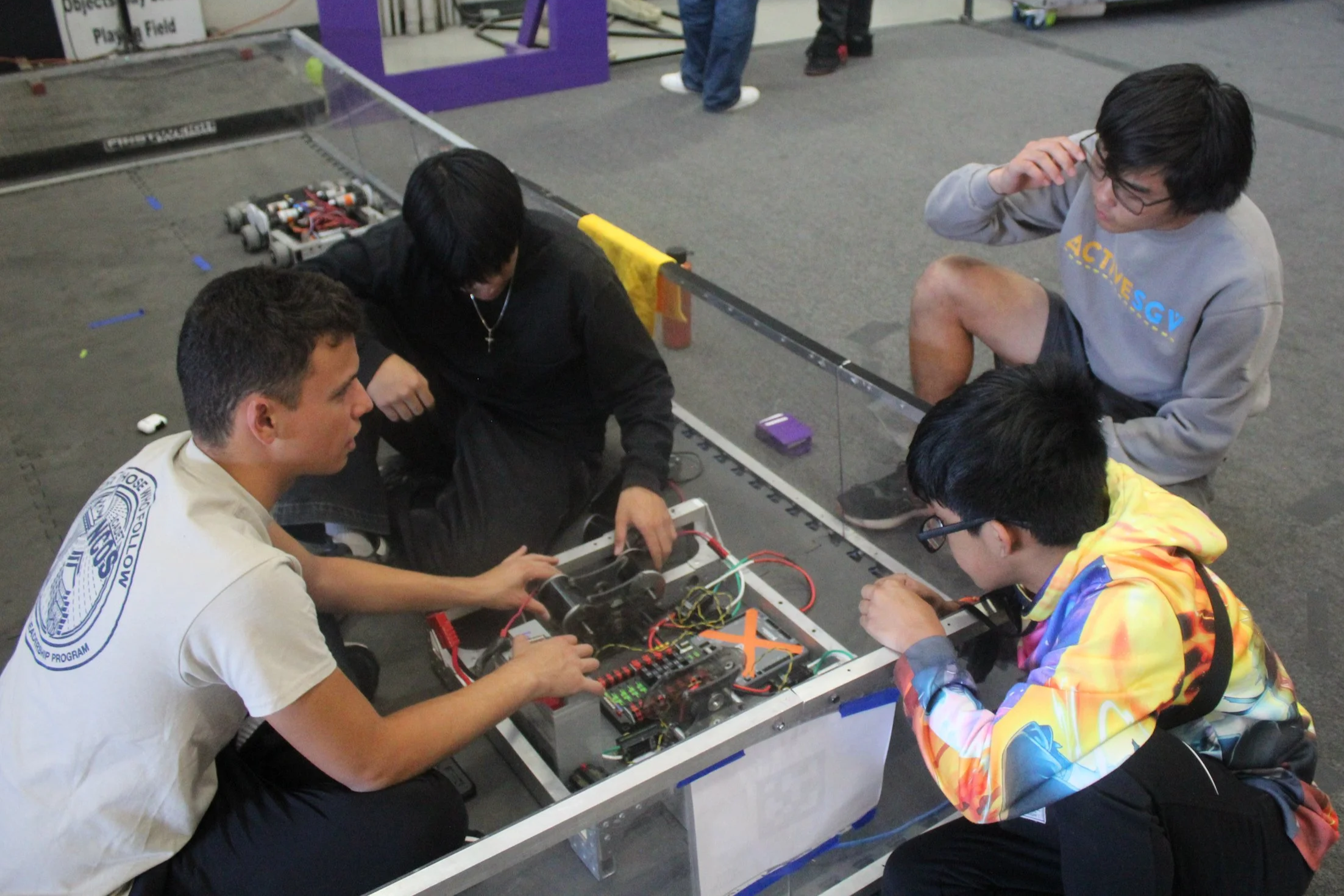
One of the more technical subteams, this group develops expertise in multiple programming platforms while working closely with the robots. Their work is not solely digital; members also handle robot wiring and gain a strong understanding of the underlying electrical systems.
Programming
-
-
Wire differences (soft vs. hard) - https://docs.wpilib.org/en/stable/docs/zero-to-robot/step-1/intro-to-frc-robot-wiring.html
Hardware and batteries - https://docs.wpilib.org/en/stable/docs/controls-overviews/control-system-hardware.html
-
Motor types - https://docs.yagsl.com/
Vision systems - https://docs.wpilib.org/en/stable/docs/software/vision-processing/index.html
Telemetry & Debugging - https://docs.wpilib.org/en/stable/docs/software/dashboards/smartdashboard/smartdashboard-intro.html
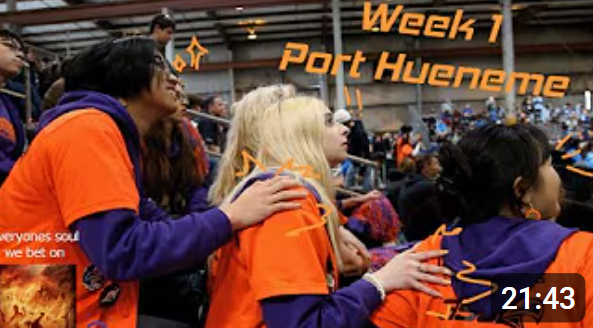
Multimedia
Public Relations
Members of the Public Relations team typically operate behind the scenes, building connections through email outreach and in-person events. They collaborate closely with the Media team to develop informational materials, such as flyers, and help organize and manage social media efforts.
Our team operates on a four-subteam basis. We allocate tasks based on what subteam each member is on. Feel free to divide roles further as you see appropriate.
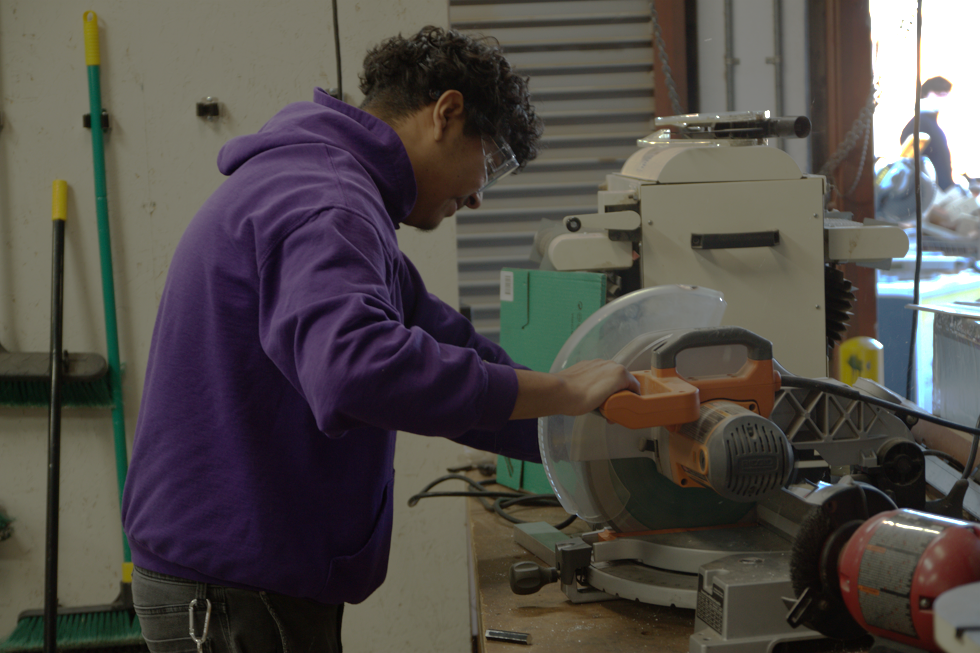
This subteam is responsible for a wide range of hands-on work, including building decorative sets during the offseason and machining parts for the robot. Members will develop proficiency with a variety of tools and build technical expertise over time.
Multimedia
Members in this subteam work to improve and sustain the image of the team. Through flyers, videos, brochures, and more, the variety of tasks they hold makes them one of the more detail-oriented sectors.
-
Canon - https://www.usa.canon.com/
SD Cards - https://www.sandisk.com/
Camera settings - https://www.bergreenphotography.com/easy-to-understand-guide-to-camera-settings/
-
Adobe Illustrator - https://www.adobe.com/products/illustrator
Canva - https://www.canva.com/
First logo files - https://www.firstinspires.org/resources/library/season-brand-downloads?hsLang=en
Examples
Flyers - https://drive.google.com/file/d/1KZpJvaB5IfmrPsQvPBCw8PFzbJdY2LaN/view?usp=sharing
Informational Slideshows - https://canva.link/8sachmngo61ipqh
-
Adobe Premiere - https://www.adobe.com/products/premiere
Capcut - https://www.capcut.com/
Examples:
Robot Reveal - https://youtu.be/sJzAykmejnw?si=Fq1502RcO8Jm1Nda
FRC Recaps - https://youtu.be/DQrXhCJNX28?si=x2SsCSVixoNeE1em
-
Ninja Transfers https://ninjatransfers.com/pages/home-v2?srsltid=AfmBOoqarzVT9S6DKsIJ2LeLpA1E1N3IbnMWdwOYK9YD5IXnp6N9lf2-
We personally use Ninja Transfers; however, you may explore other companies by searching for DTF transfer providers. This method is what we rely on for all of our team gear, including jerseys, shirts, hoodies, and other apparel.
-
Newsletters - https://www.team399.org/new-page
Communication - https://slack.com/
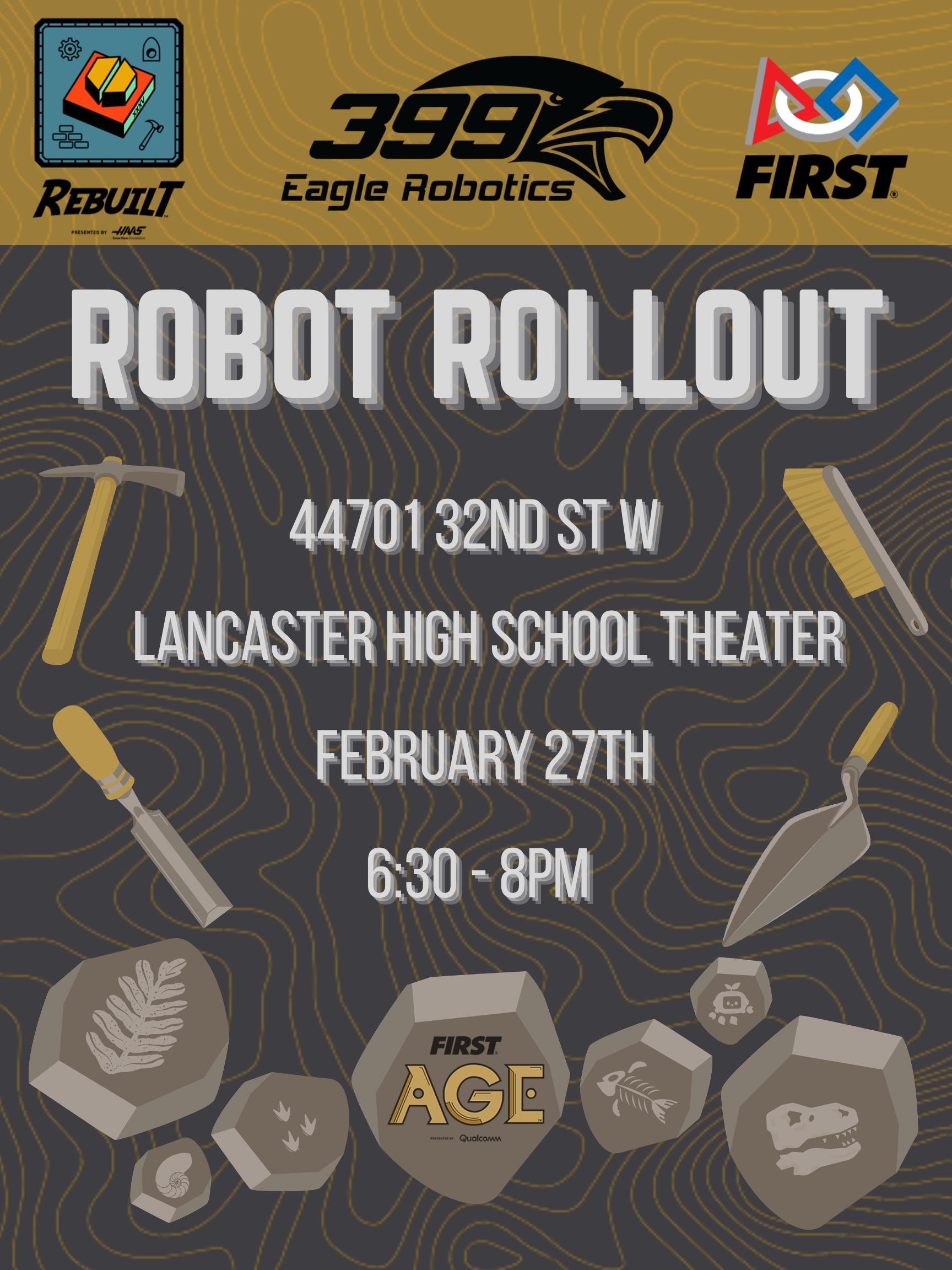
Sponsorships - Flyer Example
-
QA (quality assurance) on flyers:
Confirm date, time, location, etc.
Planning ahead of time
Make an agenda along with members’ roles
Cataloging info afterwards
Put any paperwork, forms, and media into some accessible (Google Drive)
-
Making schedules - Example Planner
Getting ideas
Follow social media accounts like other robotics teams to get ideas
-
Logos and icons
Make the teams imagery recognizable
Team personality
Mostly for social media presence, what kind of posts do you want to make?
Keeping consistency
Sticking with your team’s theme
-
Additional Sections to Explore